Trackers5 min read
Thatcham S5 vs S7 trackers explained
Your insurer has asked for a tracker and named a category you have never heard of. Here is what S5 and S7 mean in plain English, and which one you need.
By Kaine Carter

Thatcham categories are a UK security standard insurers use as shorthand. For trackers, two of them matter, and the difference between them decides both the price and what happens on the night a car goes missing.
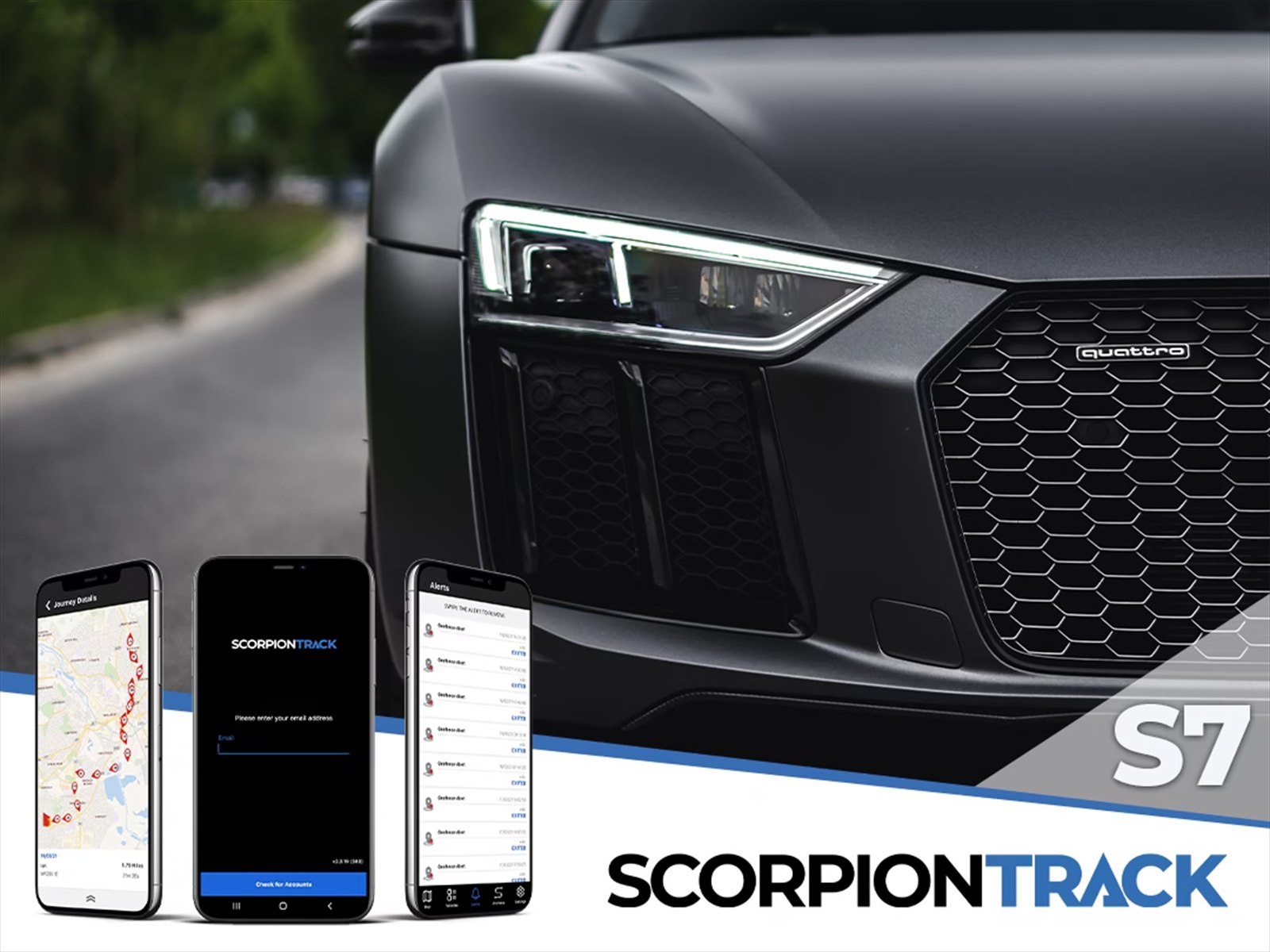
Thatcham S7: you keep an eye on it
An S7 tracker reports the vehicle's position continuously. You can open an app and see where it is whenever you like, and you get an alert if it moves when it should not.
What it does not do is know whether the person driving is you. Acting on an alert is down to you and the police, at whatever hour it happens. For most family cars and vans on standard policies, S7 is what insurers ask for and it is enough.
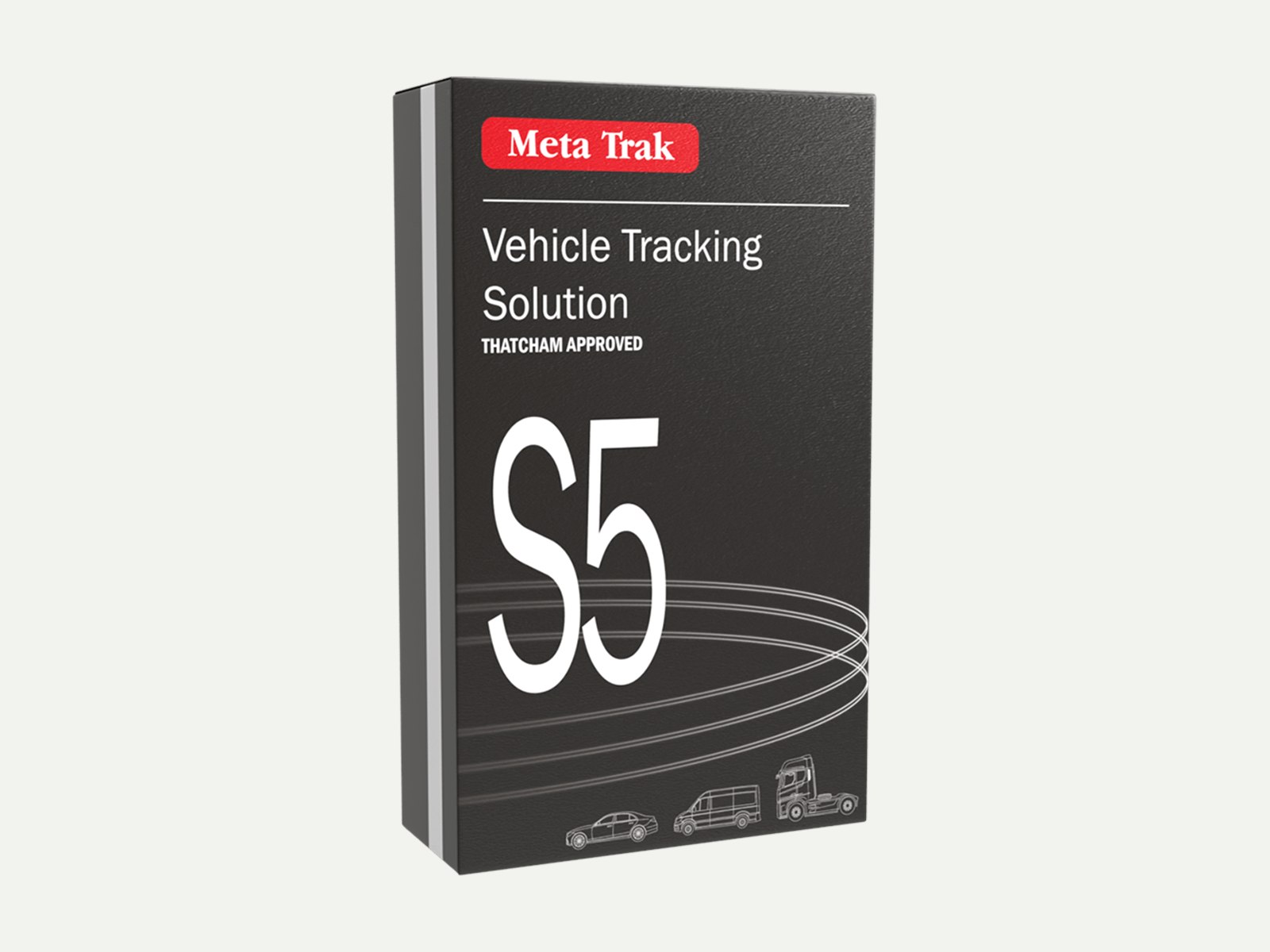
Thatcham S5: someone else keeps an eye on it
S5 adds two things. The first is driver recognition: you carry a small tag, and if the car is driven without it, that is treated as unauthorised immediately rather than after you notice.
The second is a manned control room. They see the alert, try to reach you, and if they cannot, they work directly with the police to recover the vehicle — at three in the morning as readily as three in the afternoon. That is the part you are paying the extra for.
Which one has your insurer asked for?
Ask them, and get the answer in writing. It is the single most useful thing you can do before spending anything, because the wrong category is money wasted twice over.
- Standard policies on ordinary vehicles: usually S7, sometimes nothing at all.
- Higher-value vehicles, performance models and anything with a poor theft record: usually S5, specifically.
- Some manufacturer-approved schemes name a particular brand as well as a category.
The subscription nobody mentions up front
A tracker has to stay connected to report anything, and on S5 there are people staffing a control room around the clock. That is what the subscription pays for, and it is the cost people get caught out by when they buy on the headline price alone.
We quote the hardware, the fitting and the monitoring separately and in writing, so the real total is visible before you commit to anything.
One thing a tracker will not do
It will not stop your car being stolen. Anyone telling you otherwise is selling. A tracker helps you get it back afterwards. If you want the theft prevented, that is an immobiliser — and plenty of our customers fit both, which we will happily price together.