Vehicle security8 min read
How to stop a Range Rover being stolen
Some cars are stolen because they were there. A Range Rover is stolen because somebody wanted a Range Rover. That changes what you have to do about it.
By Kaine Carter
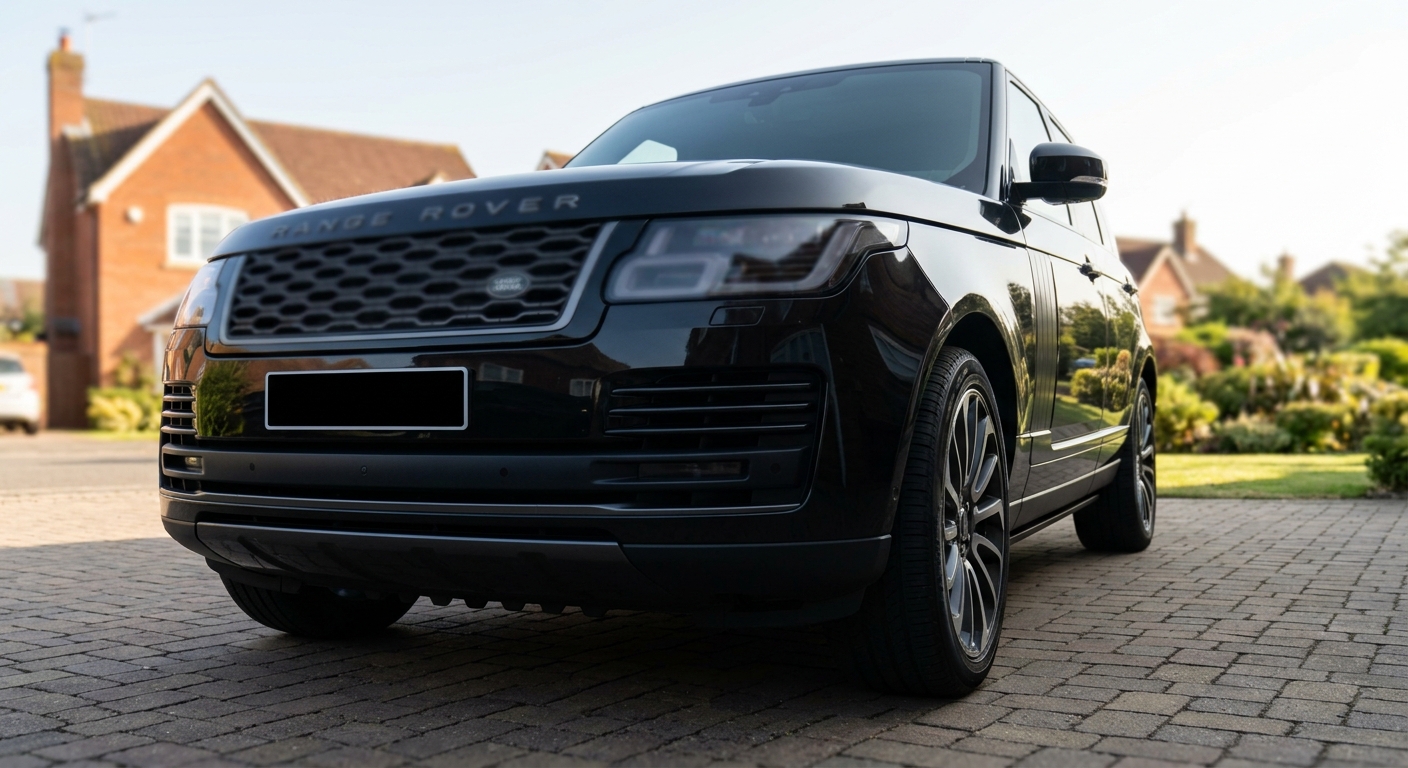
There is a difference between opportunist theft and targeted theft, and it decides what you need to do. An opportunist takes whatever is easiest on the street. A Range Rover, a Sport, an Evoque or a Discovery is not that — these are taken deliberately, often to order, frequently within days of arriving on a driveway.
We fit security across Milton Keynes, Bletchley, Newport Pagnell and out towards Buckingham and Leighton Buzzard, and Land Rover products come up more than any other marque. Not because the cars are badly made, but because there is a market for the parts and a route out of the country for the whole ones.
Why the factory security does not hold
Modern Land Rovers are keyless. The car listens for the key, and if the key seems close, the doors unlock and the engine will start. That is convenience built on proximity, and proximity is the thing a relay attack fakes.
Two people, two radios. One stands near your house holding a device that picks up your key through the wall — a hall table, a coat pocket, a kitchen worktop are all within range. The other stands at the car with a device that rebroadcasts it. The car believes the key is beside it, and behaves accordingly. There is no forced entry, no broken glass and often no alarm.
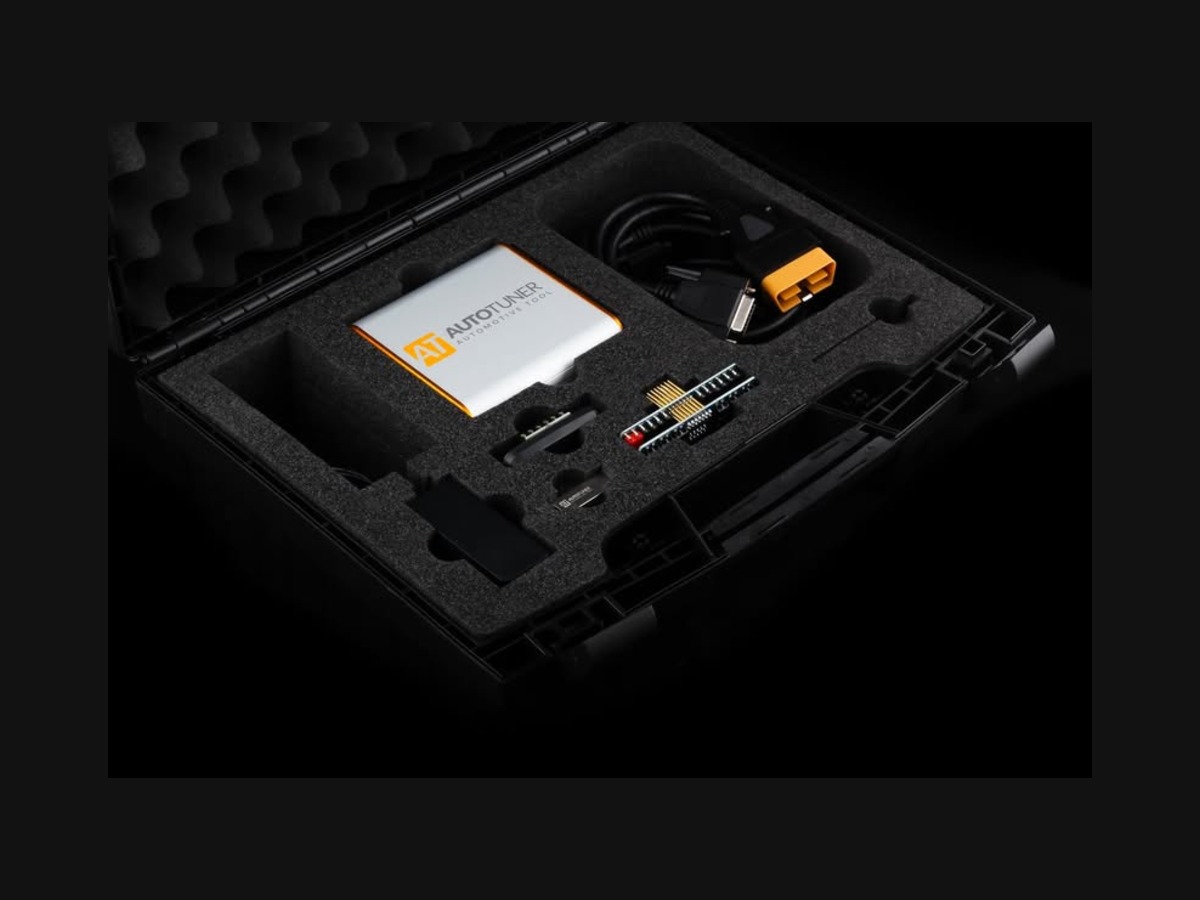
The second route is through the car's own diagnostic port. A device plugged into the OBD socket can, on some vehicles, program a new key in under a minute. That is why a socket which exists for a garage to read fault codes has become a security problem.
What actually stops it
A CAN-bus immobiliser
This is the one that matters. An immobiliser like the Autowatch Ghost II or the CAN Phantom connects to the car's existing network and refuses to let the engine start until a sequence is entered on buttons the car already has — the steering wheel controls, the window switches, the pedals. You choose the sequence and it can be up to twenty presses long.
There is nothing to relay, because the sequence is in your head. There is no fob to clone. There is no LED or aerial for somebody to spot, so a thief who has already defeated the keyless system finds a car that turns over and will not fire, with no obvious reason why. Most walk away rather than spend time on it in a driveway.
A Thatcham S5 tracker
An immobiliser stops the car being taken. A tracker deals with what happens if it is — on a transporter, for instance, where the engine never has to start at all.
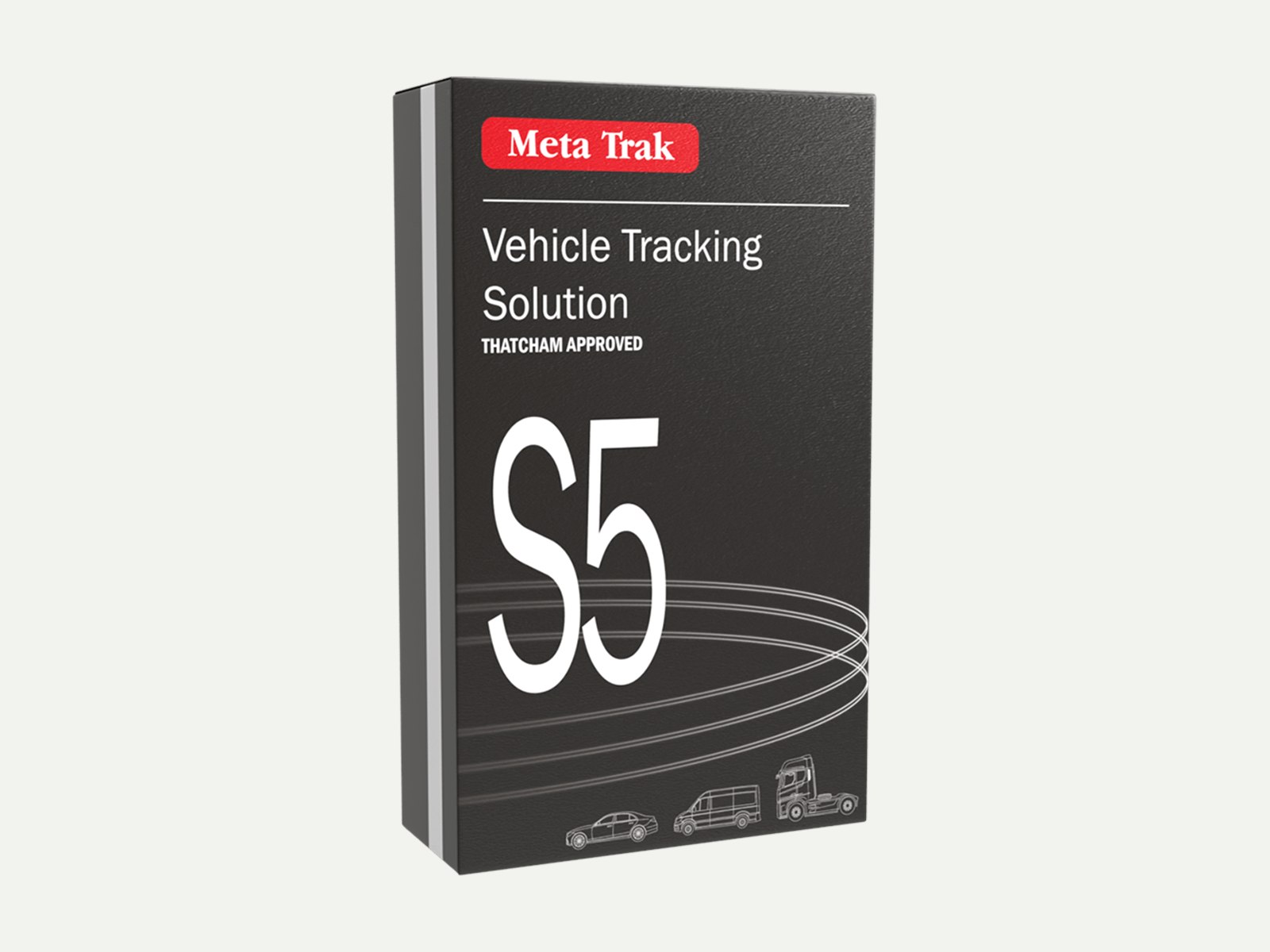
S5 is the category worth having on a Land Rover. It uses driver recognition tags, so the system knows the difference between you driving and somebody else moving the vehicle. If it moves without a tag, a manned control room is alerted and works with police on recovery. S7 tells you where the car is; S5 acts on it.
Both, in most cases
Prevention and recovery answer different questions, which is why insurers on higher-value vehicles increasingly ask for both. Fitted together in one visit it costs less than booking them separately.
What your insurer is likely to ask for
This is where people are caught out. On a higher-value Land Rover, several underwriters now make cover conditional on a Thatcham-approved system being fitted, and some name the category explicitly.
- Read the wording, not the summary. The requirement is usually in the endorsements rather than the headline schedule.
- Check whether it says S5 or S7. They are not interchangeable, and an S7 will not satisfy a policy that specifies S5.
- Ask whether they want the certificate on file. We supply one with every Thatcham system we fit.
- Tell them what you have fitted. Security you never declared cannot help you at renewal.
Send us the line from your policy before you book anything and we will tell you what satisfies it — including if the answer is that what you already have is enough.
What we would fit to a Land Rover
For most owners: a Ghost II or a CAN Phantom, and an S5 tracker if the insurer wants one or the car lives on a driveway that anyone can walk onto. Fitting is done at your home or workplace anywhere around Milton Keynes, takes two to four hours, and nothing is cut or drilled — it plugs into the network the car already has, so the manufacturer warranty is unaffected and it can be removed without trace when you sell.
If the car is on finance or a lease, that last point matters more than people expect. A system that cuts into a loom is a problem at the end of an agreement. One that does not is invisible.