Vehicle security6 min read
How keyless car theft works — and how to stop it
Two people, two small radios and about sixty seconds. No broken glass, no alarm, and often no insurance payout either. Here is what is really happening on driveways around Milton Keynes.
By Kaine Carter · Updated 5 August 2026
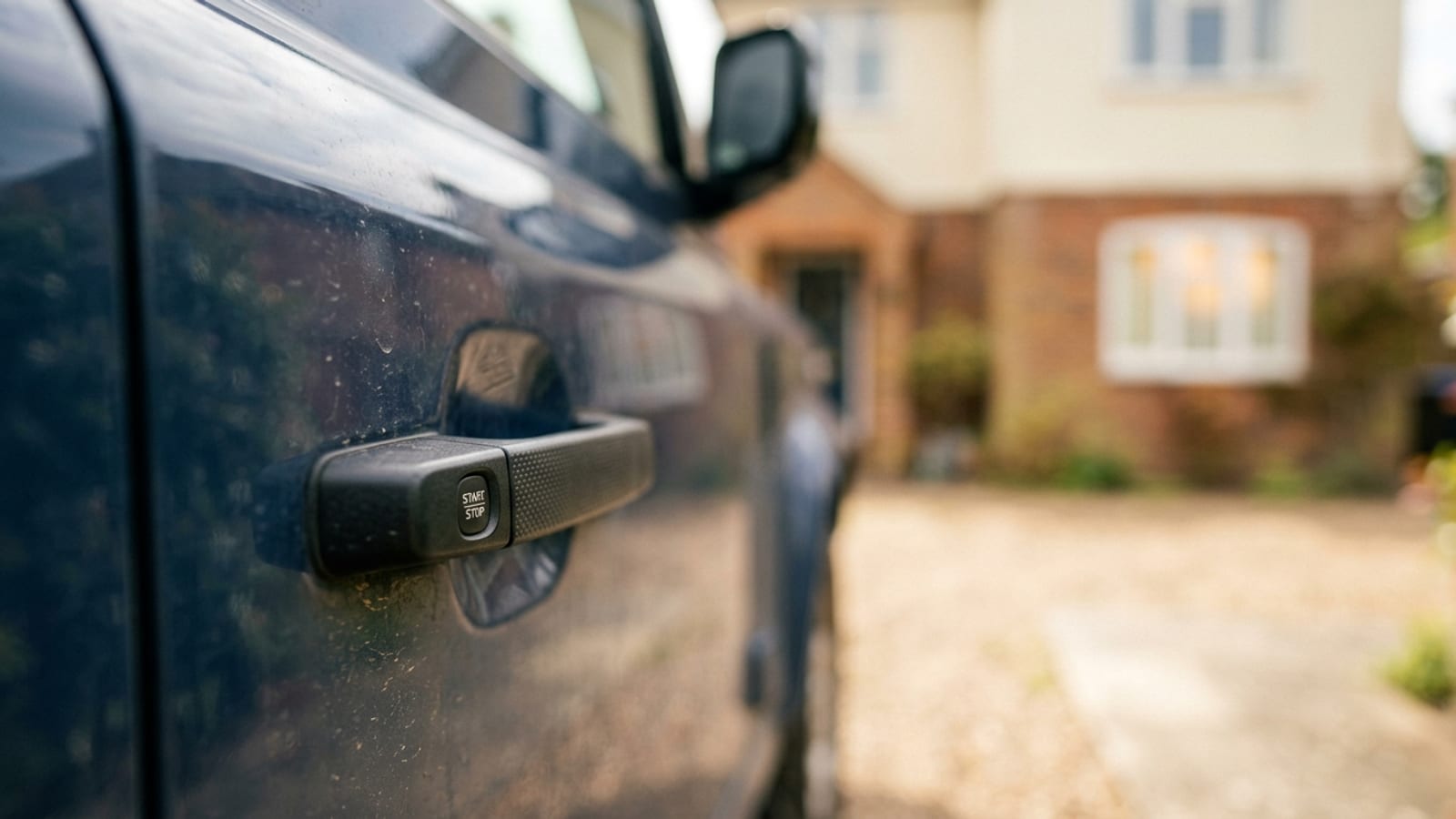
If your car unlocks when you walk up to it and starts with a button, it is a keyless car. That convenience is built on a simple idea: the car constantly listens for its key, and if the key is close enough, the doors open and the engine will start. Thieves have worked out how to move that signal.
The sixty seconds, step by step
It takes two people. One stands at your front door with a relay amplifier, close to wherever your keys live — the hall table, a bowl, a coat pocket. Your key answers as it always does, and that answer is boosted and passed to a second device out on the driveway.
As far as your car is concerned, the key is now standing next to it. The doors unlock. The start button works. Nothing is forced and nothing is broken, so there is no noise to wake anyone and no alarm to trigger. Within a minute the car is off the drive.
Why the obvious defences do not work
- A louder alarm does not help, because nothing about the theft is abnormal as far as the car is concerned.
- Parking closer to the house does not help, and can make it easier — the key is nearer the front door.
- A steering lock is a visible deterrent, but a determined thief with a battery grinder is through one in under a minute.
- Keeping the spare key in a drawer changes nothing. It is the key you use daily that gets relayed.
A signal-blocking pouch genuinely does work, provided every key goes in it every single time, including the spare and including when you are in a hurry. That is a lot of nights to get right, and one lapse is all it takes.
The insurance problem nobody mentions
Because relay theft leaves no damage, there is nothing to photograph and nothing for a loss adjuster to point at. Some insurers treat a claim with no sign of forced entry as suspicious, and the questions that follow can be uncomfortable — particularly on higher-value vehicles.
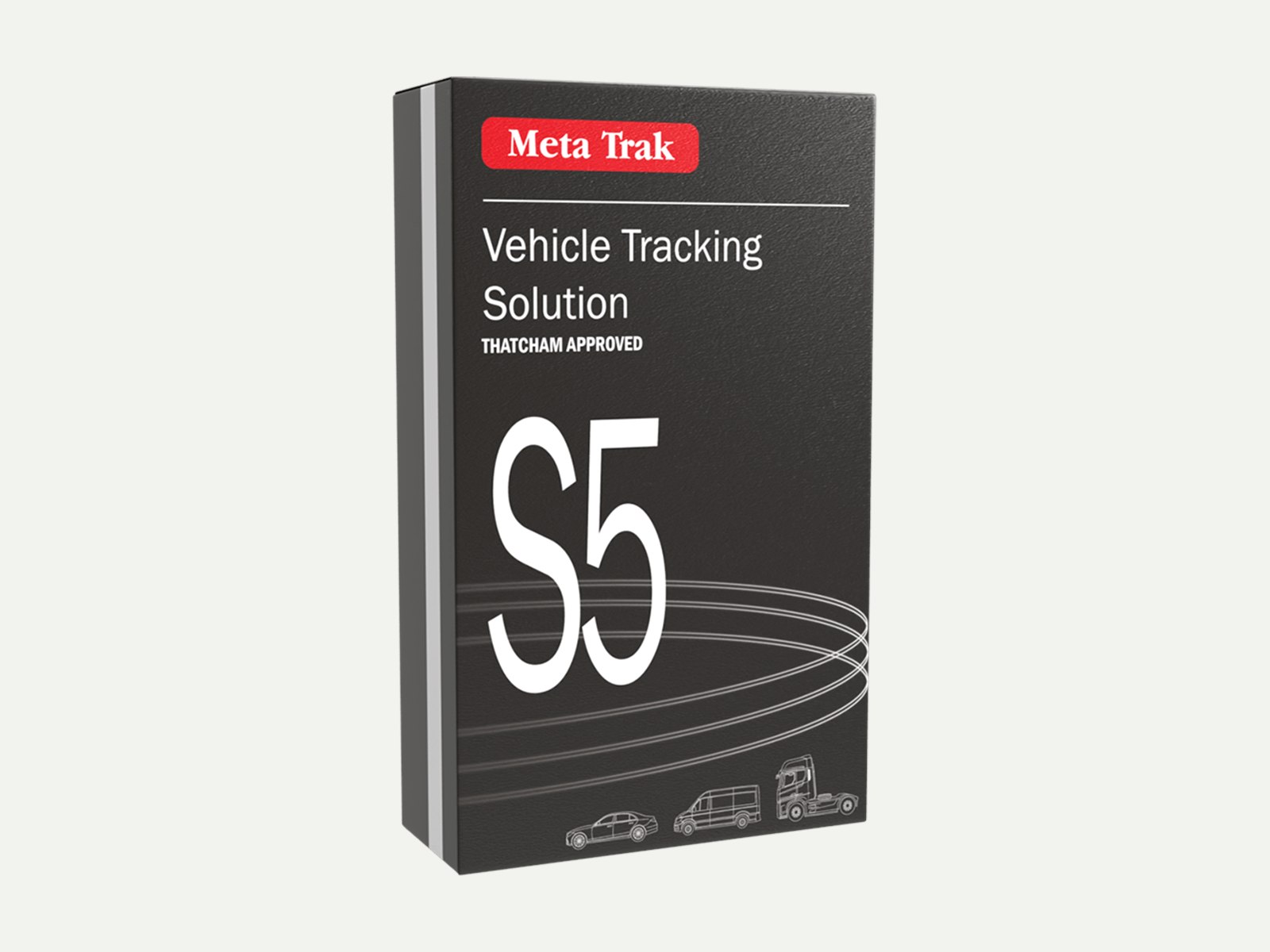
It is also why an increasing number of policies on Range Rovers and performance cars now insist on a Thatcham-approved tracker before they will offer cover at all.
What actually stops it
You have to stop the car being driven, not stop it being opened. An immobiliser adds a step that has nothing to do with the key: a sequence you enter on buttons the car already has, or a tag that has to be physically present. Neither can be relayed, cloned or jammed, because neither is transmitted for anyone to catch.
- 1.An immobiliser prevents the theft. If you do one thing, do this.
- 2.A tracker recovers the car afterwards, and is often what your insurer is asking for.
- 3.The two together cover both ends of the problem, which is why most people who fit one come back for the other.
Fitting takes two to three hours and happens on your own driveway. Nothing is cut or drilled, so it can be removed later without a trace and your manufacturer warranty is unaffected.